

Students from 38 African countries trained in Quality Assurance with HAQAA3
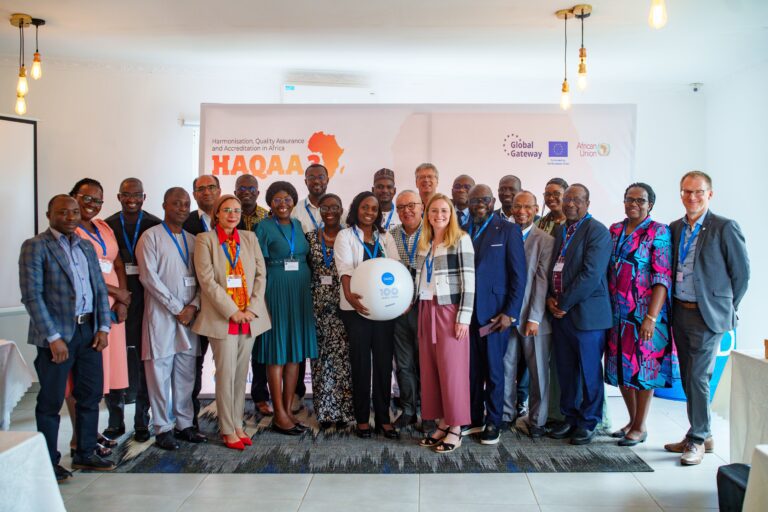
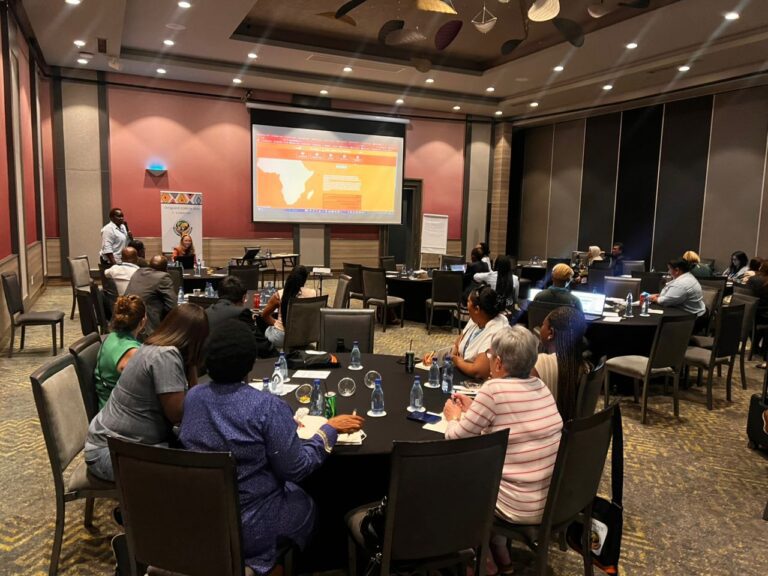
Student participation is a key element in strengthening quality assurance systems in higher education. With this objective, the HAQAA3 initiative organised two training courses for African students aimed at strengthening their knowledge and role in quality assurance processes within higher education institutions.
The trainings took place in November 2025 and January 2026, bringing together 119 students from 38 African countries, who successfully completed the programme and obtained a certificate.
Strengthening the role of students in quality assurance processes
The training activities were designed based on a prior mapping study on student engagement in quality assurance processes in Africa, implemented by the All-African Students Union (AASU). The study highlighted the need for better-informed and adequately trained students, as well as greater awareness of quality assurance processes within the student community.
The training was organised in two linguistic editions to ensure broader participation:
- November 2025: 51 students from 19 countries (Anglophone and Lusophone) took part in sessions delivered by experts and quality assurance managers from several African countries.
- January 2026: 68 students from 19 Francophone countries participated in the second edition, which also included group work sessions to encourage interaction among participants.
In both trainings, the European Students Union (ESU) shared the European experience of student involvement in quality assurance.
Understanding and engaging in quality assurance
The programme addressed key topics such as the African Standards and Guidelines for Quality Assurance (ASG-QA), internal and external quality assurance, and the role of students in these processes.
Through the training, participants strengthened their understanding of quality assurance systems in higher education and gained tools to actively participate in quality assurance mechanisms within their institutions and act as interlocutors within the wider student community.
The post-training evaluation shows very positive results. The vast majority of participants reported feeling better equipped to engage in quality assurance processes, understand the relationship between internal and external quality assurance, and recognise the role of students in these processes.
These trainings represent an important step towards strengthening student participation in quality assurance systems across higher education in Africa.