
Contributing to stronger quality assurance systems at the INQAAHE Forum 2026
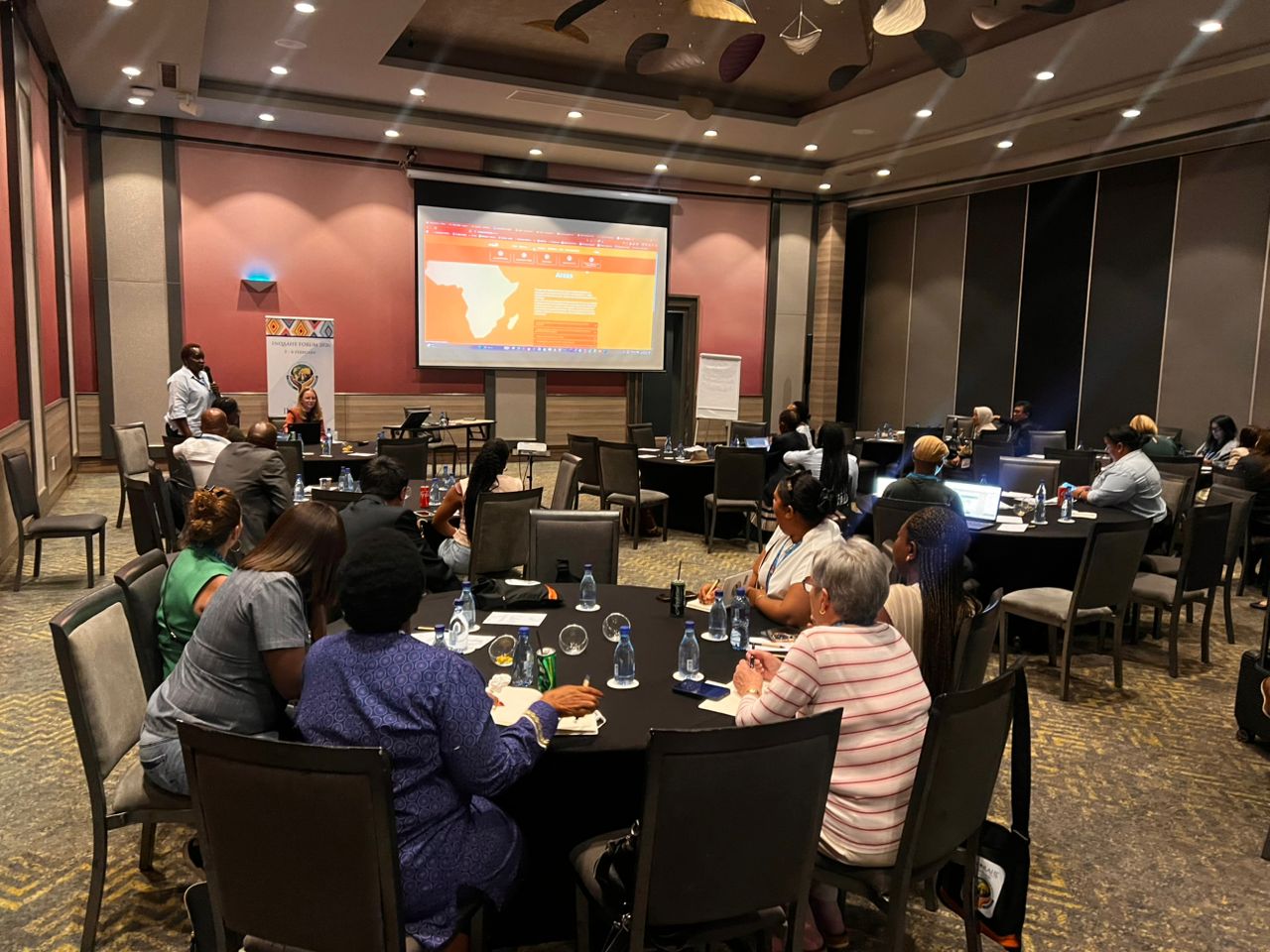
The HAQAA3 Initiative was present at the INQAAHE (International Network for Quality Assurance Agencies in Higher Education) Forum 2026, which took place in Sun City, South Africa, from 3 to 6 February. HAQAA3 representatives joined more than 300 representatives from quality assurance agencies, higher education institutions, policy makers and student organizations from Africa, Europe and other regions. Held under the theme “Quality Assurance as an Impactful Tool for Higher Education Today and Tomorrow”, the Forum provided a high-level platform to reflect on the evolving role of quality assurance (QA) in rapidly changing tertiary education systems.
The Forum focused on how QA systems can safeguard and enhance quality in contexts of expansion, diversification and demographic change, with particular attention to African higher education systems. Exchanges highlighted the need for QA frameworks to move beyond compliance-based approaches and actively support innovation, inclusion and sustainability.
Within this framework, HAQAA3 partners DAAD, Obreal and AASU (All-Africa Students Union) facilitated the session “What Real Student Engagement in Quality Assurance in Higher Education Means – Case Studies Across Europe and Africa”. The session promoted student-centred approaches to quality assurance and disseminated the results of the HAQAA3-funded study “The Engagement of Students in African Higher Education QA Practices”. This contribution supported interregional learning between Africa and Europe and strengthened stakeholder awareness of inclusive and participatory QA practices.
The Forum programme addressed four key thematic areas closely connected to HAQAA3 priorities: building trust in QA systems across stakeholders; enhancing the social and labour market relevance of qualifications and micro-credentials; leveraging digital technologies and artificial intelligence in QA processes; and widening access to higher education while safeguarding quality. Across these discussions, stakeholder engagement and evidence-based policy dialogue emerged as essential elements for effective and legitimate QA systems.