Strengthening higher education data systems across the Southern African Development Community
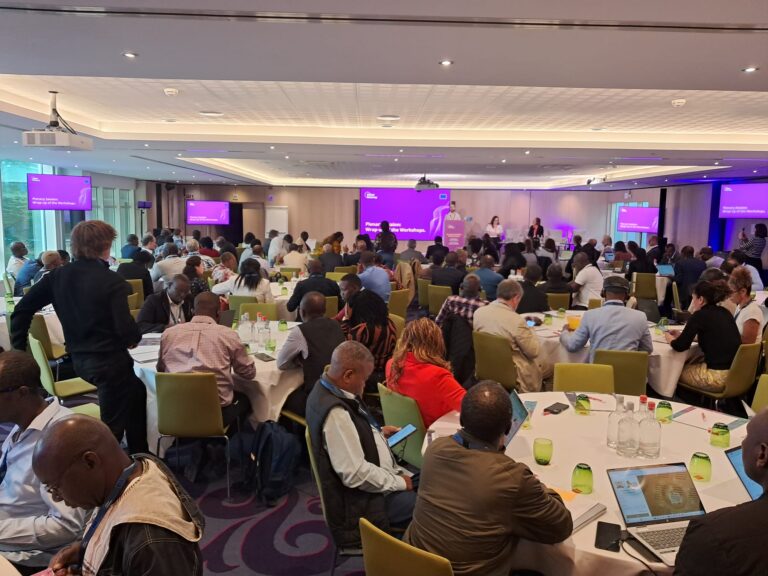
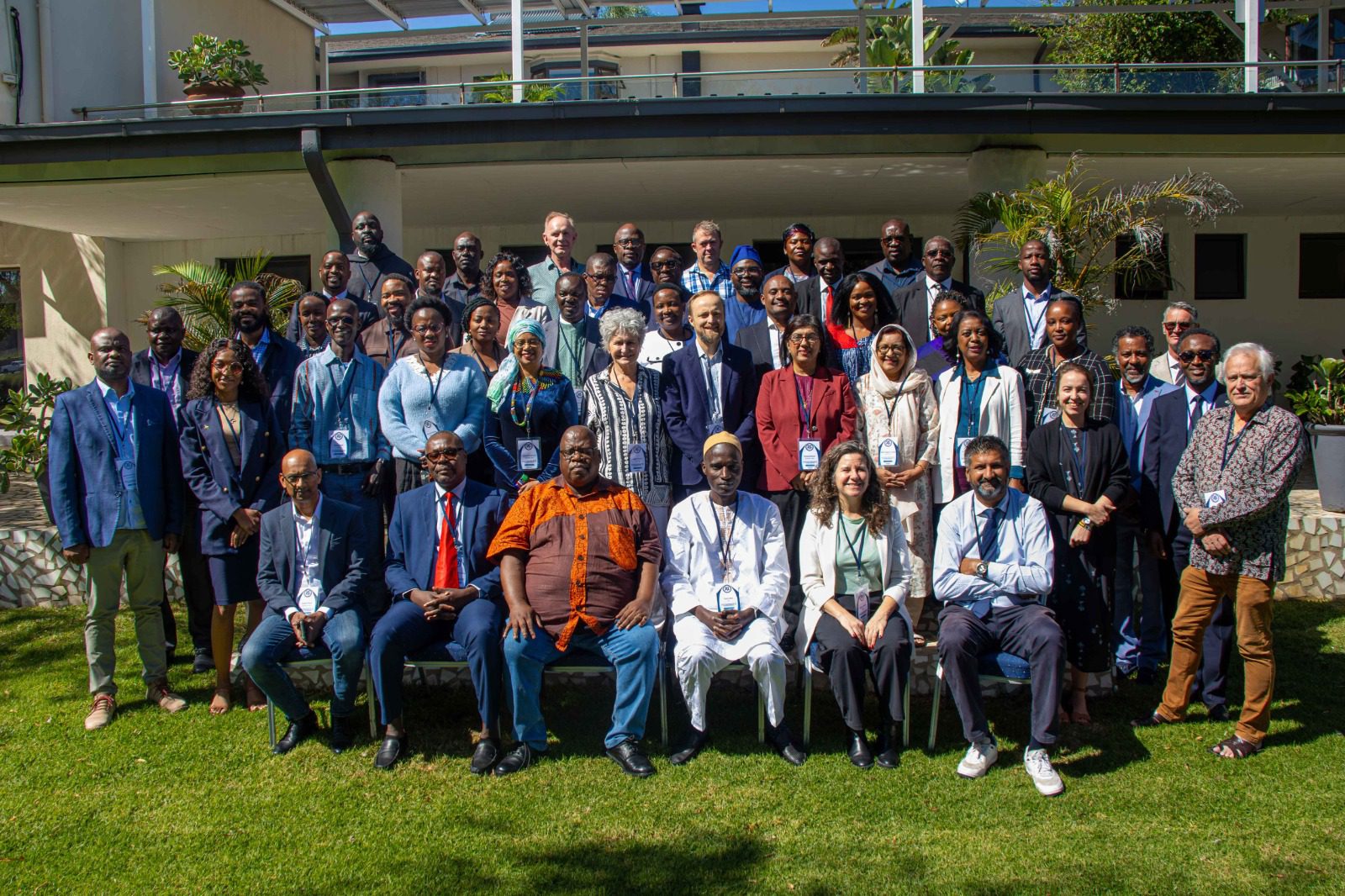
Johannesburg hosted the Southern African Development Community EMIS (Education Management Information System)–HEMIS (Higher Education Management Information System) Regional Workshop, bringing together key stakeholders to advance the strengthening of education data systems and their role in supporting policy, quality assurance and regional integration.
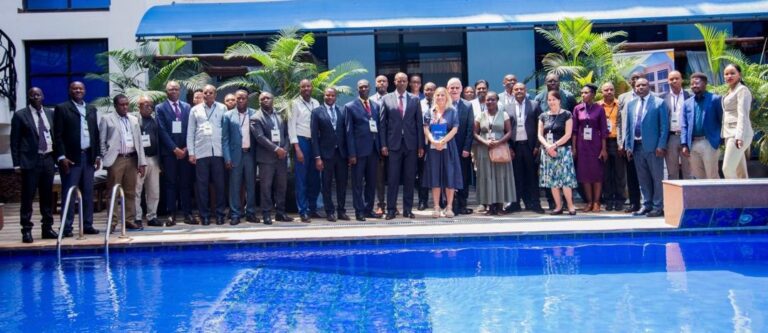
The event gathered representatives from the Southern African Development Community (SADC) and the East African Community (EAC), as well as regional organisations including IUCEA and SARUA. National HEMIS representatives participated from Angola, DRC, Eswatini, Mauritius, South Africa, Uganda, Zimbabwe, Zambia and Tanzania, alongside partners such as the African Union Commission (IPED) and UNESCO Institute for Statistics (UIS).
Within the framework of HAQAA3, discussions focused on benchmarking higher education data systems, improving data governance and enhancing alignment with continental and global frameworks, including CESA and SDG 4. The workshop provided a space for peer exchange and collective reflection on how to strengthen the comparability and use of higher education data across regions in order to foster African integration.
A growing need for reliable and comparable data
As higher education expands across Africa and its indispensable role to achieving Africa’s developmental aspirations and the objectives set out in Agenda 2063, the need for reliable and comparable data is growing. Yet differences in governance structures, system architecture and indicator frameworks continue to limit comparability and coordinated policy action.
Under HAQAA3, the workshop facilitated a structured SADC-EAC benchmarking exercise focused on HEMIS. Participants examined governance models, data collection systems, indicator alignment and data use practices to identify both areas of convergence and key structural gaps. Stronger higher education data systems are not only technical tools. They underpin quality assurance, support regional recognition and mobility frameworks, and enable alignment with continental and global commitments, including CESA and SDG 4. Through peer exchange and technical discussions, participants:
- Compared governance and institutional arrangements
- Reviewed core higher education indicators
- Identified constraints affecting data comparability
- Highlighted priority capacity-building needs
The discussions reinforced the importance of linking data production to policy use and strengthening coordination between ministries, quality assurance bodies and regional organisations. The workshop marked an important step toward more structured regional cooperation on higher education data. As follow-up, HAQAA3 will support:
- Exploration of a feasible pilot set of common higher education indicators
- Targeted capacity-building activities aligned with identified needs
- Continued technical dialogue between SADC and EAC and other regions of the continent
By advancing practical alignment and sustained cooperation, the initiative contributes to stronger, more coherent higher education data ecosystems – a key foundation for evidence-based policy and regional integration across Africa.