

ACTS Pilot Phase launches continental online programme on mobility, recognition and integration in African higher education
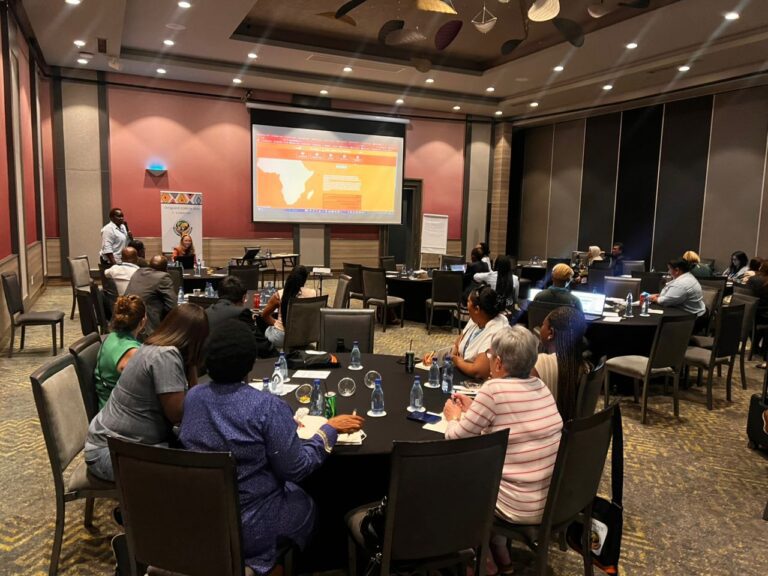
More than 200 participants from 26 African countries joined the launch of the ACTS Pilot Phase online programme on 26 May 2026, marking an important milestone in ongoing efforts to strengthen academic mobility, recognition and integration across African higher education systems.
Bringing together representatives of universities, ministries, quality assurance agencies, qualifications authorities, regional organisations, student bodies and mobility initiatives, the launch signalled the beginning of a continent-wide process of collective reflection and experimentation around the African Credit Transfer System (ACTS) that is being developed under HAQAA3.
From consultation to implementation
The Pilot Phase builds on extensive work undertaken throughout 2024 and 2025. During 2024, consultations were organised with universities, national authorities, quality assurance agencies, qualifications authorities and regional organisations across the continent to better understand existing practices and expectations related to mobility, recognition and academic cooperation. The findings were consolidated in the ACTS State of the Art Report, published in 2025, which highlighted both the diversity of existing approaches across Africa and the strong interest in developing practical instruments capable of supporting mobility and recognition while respecting institutional autonomy, national contexts and regional realities.
Rather than proposing a single model, the consultations pointed to the need for a flexible and African-led approach capable of building trust and facilitating cooperation between institutions and systems.
An African-led process
The ACTS Pilot Phase brings together 12 pilot countries representing different linguistic, regional and higher education traditions across the continent: Angola, Botswana, Cameroon, Egypt, Mauritius, Morocco, Mozambique, Nigeria, Rwanda, Senegal, South Africa and Uganda.
The process is supported by an African team of ACTS Experts as well as regional organisations including IUCEA, CAMES, RAFANAQ, SARUA and other partners, such as the AllAfrica Students Union (AASU) actively involved in mobility, quality assurance and higher education cooperation. The Pilot also benefits from the participation of universities from more than 20 African countries involved in the Intra-Africa Academic Mobility Scheme, funded by the European Union, whose practical experience provides valuable insights into the opportunities and challenges associated with academic mobility across African countries.
Together, these actors are contributing to the development and testing of ACTS through a process that places African experiences and priorities at its centre.
More than a training programme
At the heart of the Pilot Phase lies a multilingual online programme available in English, French and Portuguese. Structured around a series of thematic modules, the programme combines written materials, videos, live regional discussions and institutional reflection activities designed for both universities and national authorities.
Rather than functioning as a traditional training programme, the online programme has been conceived as a collaborative space where participants can analyse existing practices, share experiences and collectively reflect on how mobility and recognition can be strengthened across the continent.
The first module explored the relationship between regional integration, higher education cooperation and academic mobility. The second module focuses on academic credits and curricula, while future modules will examine mobility, credit transfer and recognition in greater depth.
Benefits for universities and national authorities
For universities, participation offers an opportunity to examine institutional practices related to curriculum design, academic credits, mobility schemes and recognition procedures, while learning from experiences across different African regions. For national authorities, the Pilot provides a platform to reflect on policy frameworks, qualifications systems, mobility strategies and recognition mechanisms, and to engage directly with institutions facing practical implementation challenges.
For both groups, the process offers a unique opportunity to contribute to the future development of ACTS, the ACTS User’s Guide, and to shape continental discussions on mobility and recognition through the ACTS Ambassadors network that they will be a part of.
Building trust across borders
One of the central messages emerging from the Pilot is that mobility does not depend on the harmonisation of higher education systems. Instead, it depends on cooperation, trust and practical arrangements between institutions operating within different national and regional contexts.
In this sense, ACTS is conceived not as a mechanism for standardisation, but as a tool that can facilitate cooperation while respecting diversity. The Pilot therefore seeks to strengthen the conditions that make mobility possible: mutual understanding, transparency, recognition practices and dialogue among institutions and authorities.
A continental effort
The launch of the online programme demonstrated the broad interest that exists across Africa in advancing mobility and recognition as part of wider efforts towards regional integration and academic cooperation.
Over the coming months, participants will continue their work through regional clusters, reflection activities and live sessions facilitated by ACTS Experts and regional partners. The results of this collective experimentation will contribute directly to the development of practical guidance, policy recommendations and future implementation pathways for ACTS.
As African higher education systems become increasingly interconnected, the ACTS Pilot Phase represents an important opportunity to develop solutions rooted in African realities while contributing to a more integrated continental higher education space.