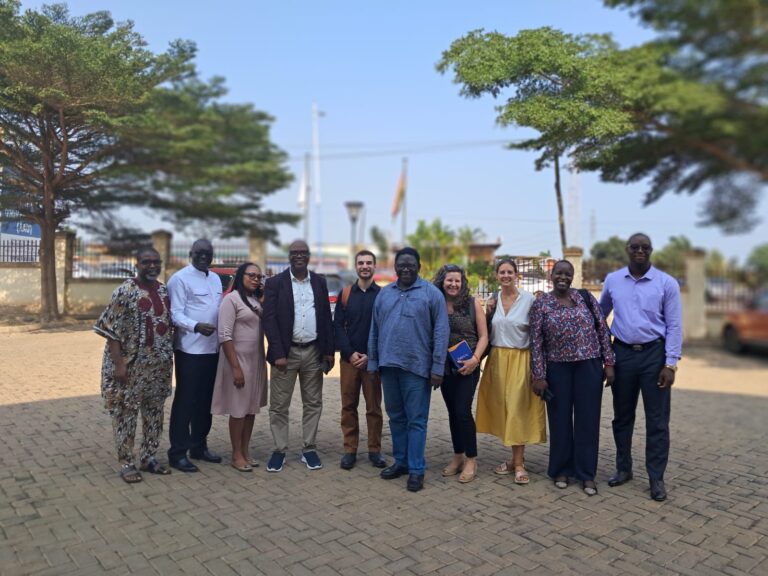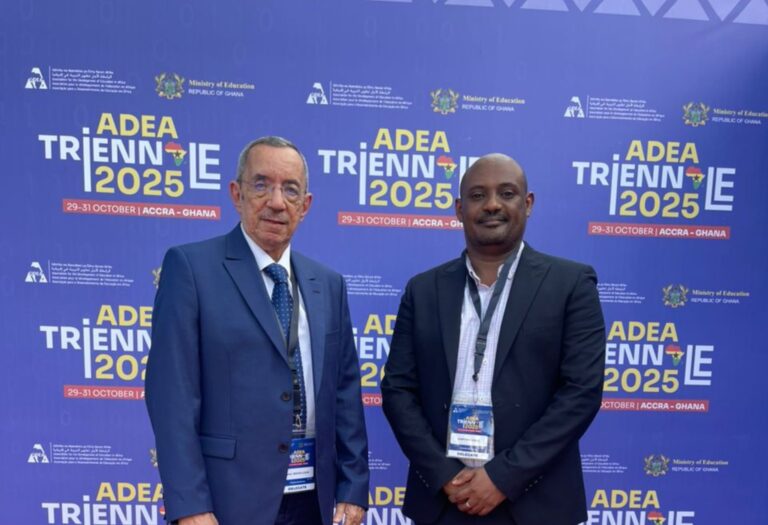


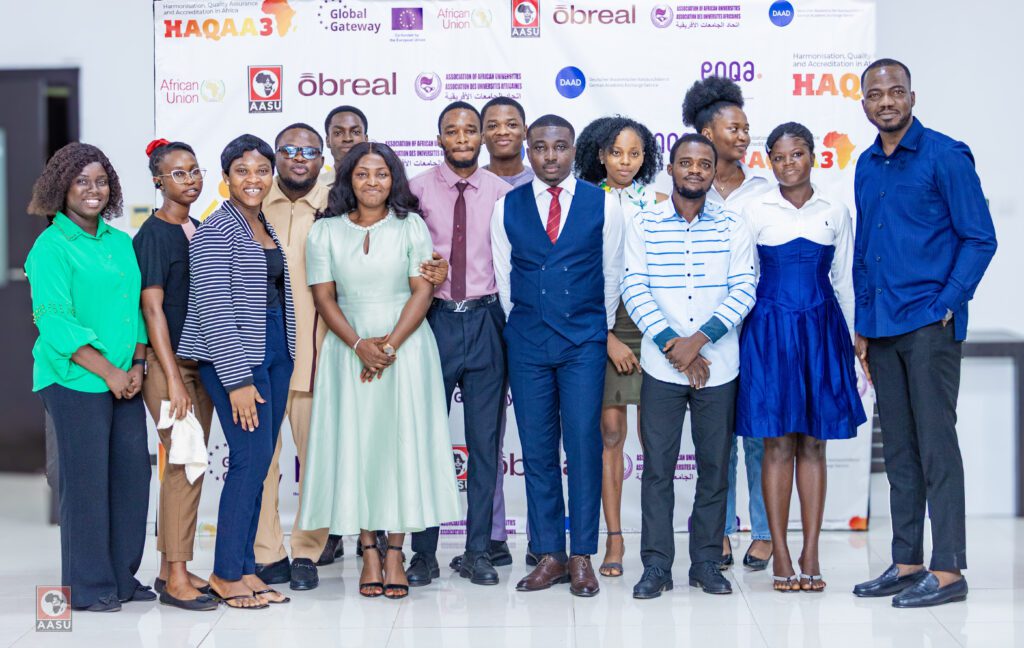
HAQAA3, in collaboration with the All-Africa Students Union (AASU), organized the workshop “Pathways Across Borders: Understanding and Documenting Intra-Africa Mobility” at the Ministry of Foreign Affairs in Accra, Ghana. The event marked a significant milestone in the project’s commitment to fostering a more integrated and cooperative African Higher Education Area.
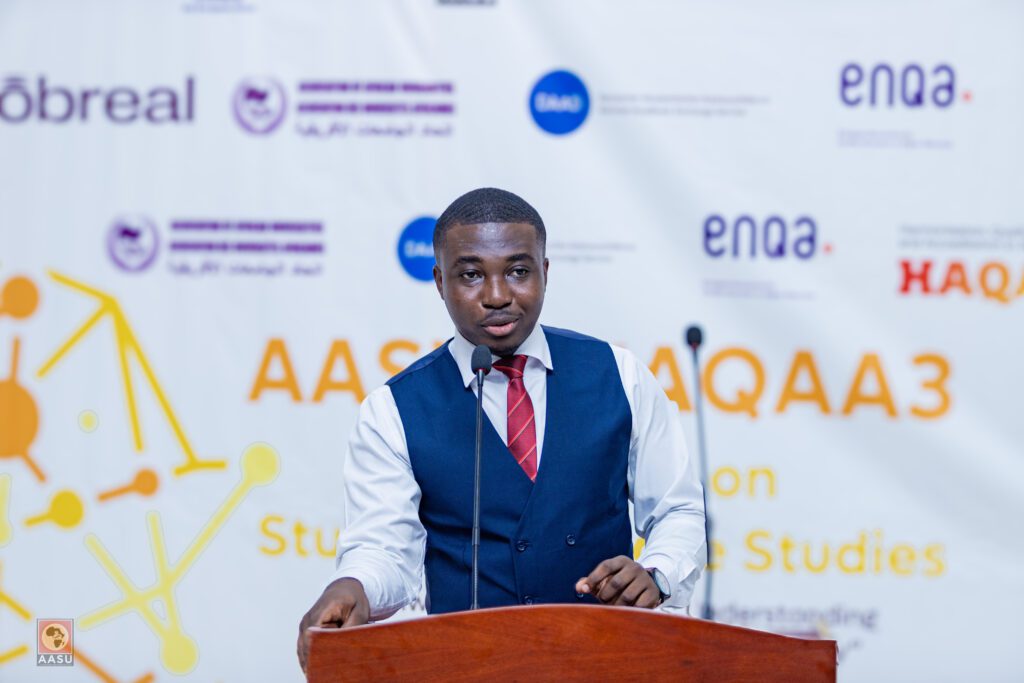
The workshop gathered 87 students onsite and many more connected virtually, bringing together a vibrant and diverse community of young leaders from across the continent. Their active participation and thoughtful reflections turned the session into a dynamic exchange of experiences, concerns and proposals related to intra-African student mobility.
Participants highlighted the enduring challenges students face when seeking opportunities in another African country, including administrative hurdles, limited information and gaps in institutional cooperation. At the same time, the workshop showcased a shared determination to overcome these barriers and advance a vision of a more connected and student-centred higher education landscape.
Effective mobility requires strong cooperation, trust and recognition among institutions
One of the most impactful moments of the workshop came from Nora Torrent, a Spanish participant who shared her experience studying in three European countries (Spain, France and the Netherlands) through coordinated collaboration between universities. Her testimony illustrated a powerful insight: effective mobility does not require full harmonization of systems, but strong cooperation, trust and mutual recognition among institutions.
This message resonated deeply with the group and emphasized that Africa’s pathway to enhanced mobility can be built through strengthened partnerships, transparent processes and shared quality assurance frameworks.
Students: key actors in designing the future of African higher education
The workshop reaffirmed the essential role of students in shaping mobility policies and practices. Through HAQAA3, this bottom-up perspective is being intentionally integrated into broader conversations on quality assurance, recognition and interregional cooperation.
The energy and clarity of the contributions made in Accra demonstrated that students are not only beneficiaries of mobility schemes but are key actors in designing the future of African higher education.