
HAQAA3 highlights ACTS and academic recognition at the Africa-Europe Innovation Dialogues
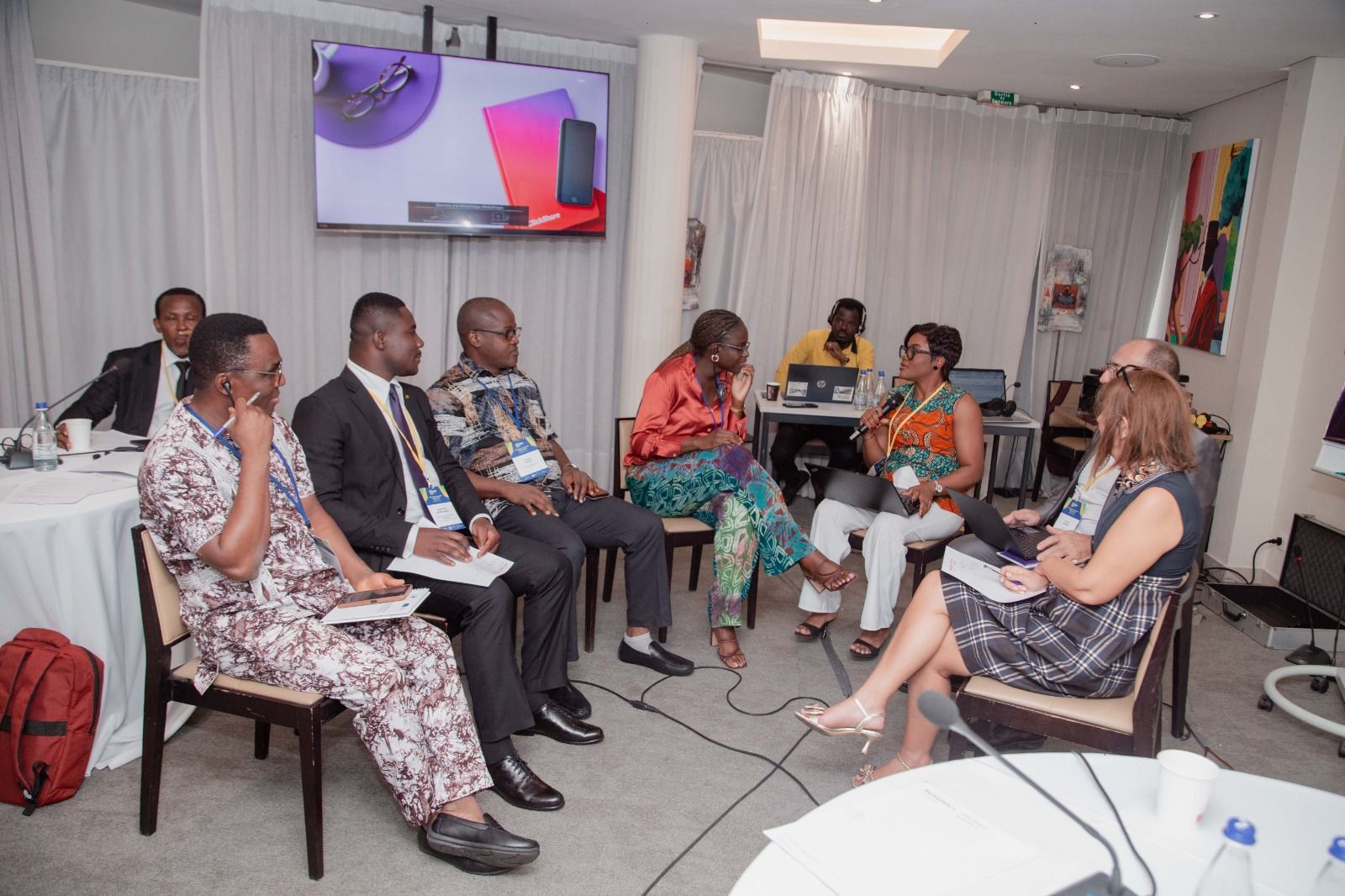
HAQAA3’s work on academic recognition and the African Credit Transfer System (ACTS) featured at the Africa-Europe Innovation Dialogues 2026, held in Abidjan, Côte d’Ivoire, on 3–4 November. The conference brought together representatives of universities, research, start-ups and civil society to discuss innovation and Africa–Europe cooperation. HAQAA’s contribution addressed a practical question: how can university agreements, ACTS and academic recognition create effective opportunities for academic mobility, research and professional development?
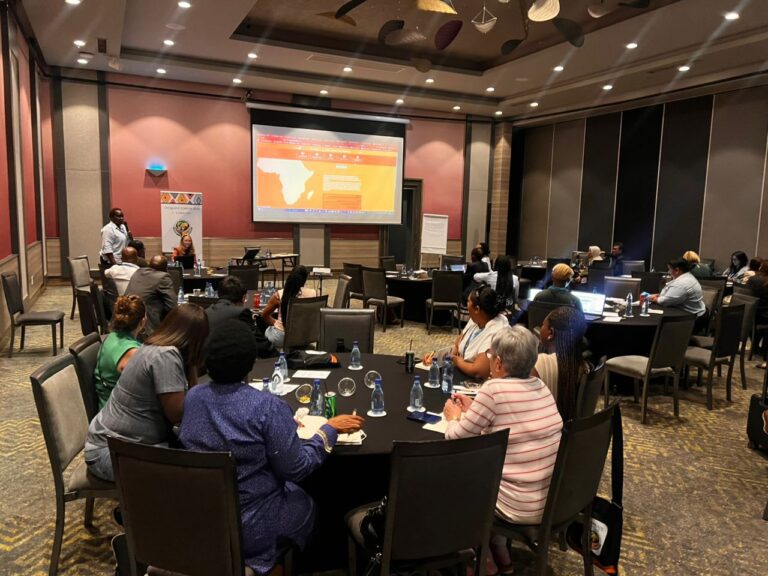
The interactive workshop “Qualifications Recognition for Research, Innovation and the Future of Work” explored the different purposes of recognition. Recognising a period of study completed at another university, admitting someone to further studies and authorising professional practice involve different decisions and responsibilities. The session focused primarily on the recognition of partial studies, examining how it can support mobility and students’ academic progression and subsequent opportunities in research, innovation and employment.
Drawing on the experience of Erasmus, the discussion highlighted that universities can organise mobility with recognition without waiting for complete harmonisation of higher education systems. Institutions with different programmes and structures can establish workable agreements by identifying specific barriers, clarifying procedures and exercising their existing academic responsibilities. This approach places universities at the centre of implementation, with responsibility for ensuring that cooperation agreements lead to the effective recognition of students’ learning.
HAQAA policy briefs series, the State-of-the-Art report on credits and recognition in Africa, and ACTS pilot activities informed the exchange with participants, connecting the discussion to the initiative’s ongoing work on credits, mobility and recognition. A central message concerned trust between institutions: credits and agreements help organise mobility, but their usefulness depends on universities honouring their commitments. Sustained cooperation can build that trust and establish relationships that continue beyond individual mobility projects. The session therefore linked the practical questions addressed through ACTS with the wider role of higher education in African regional and continental integration.